
When Apple introduced the first iPhone in 2007, it did more than launch a new smartphone—it revolutionized the way people communicate, work, and interact with technology. Nearly two decades later, the iPhone remains one of the world's most popular and influential devices, setting industry standards for innovation, performance, security, and user experience.
A Brief History of the iPhone
The original iPhone combined a mobile phone, an iPod, and an internet communication device into one sleek product. At a time when physical keyboards dominated the smartphone market, Apple's introduction of a full touchscreen interface changed consumer expectations forever.
Over the years, Apple has consistently refined the iPhone by introducing groundbreaking technologies such as Face ID, OLED displays, advanced camera systems, the powerful A-series chips, 5G connectivity, and Apple Intelligence features. Each new generation builds upon the success of its predecessor while pushing the boundaries of mobile technology.
Design That Stands the Test of Time
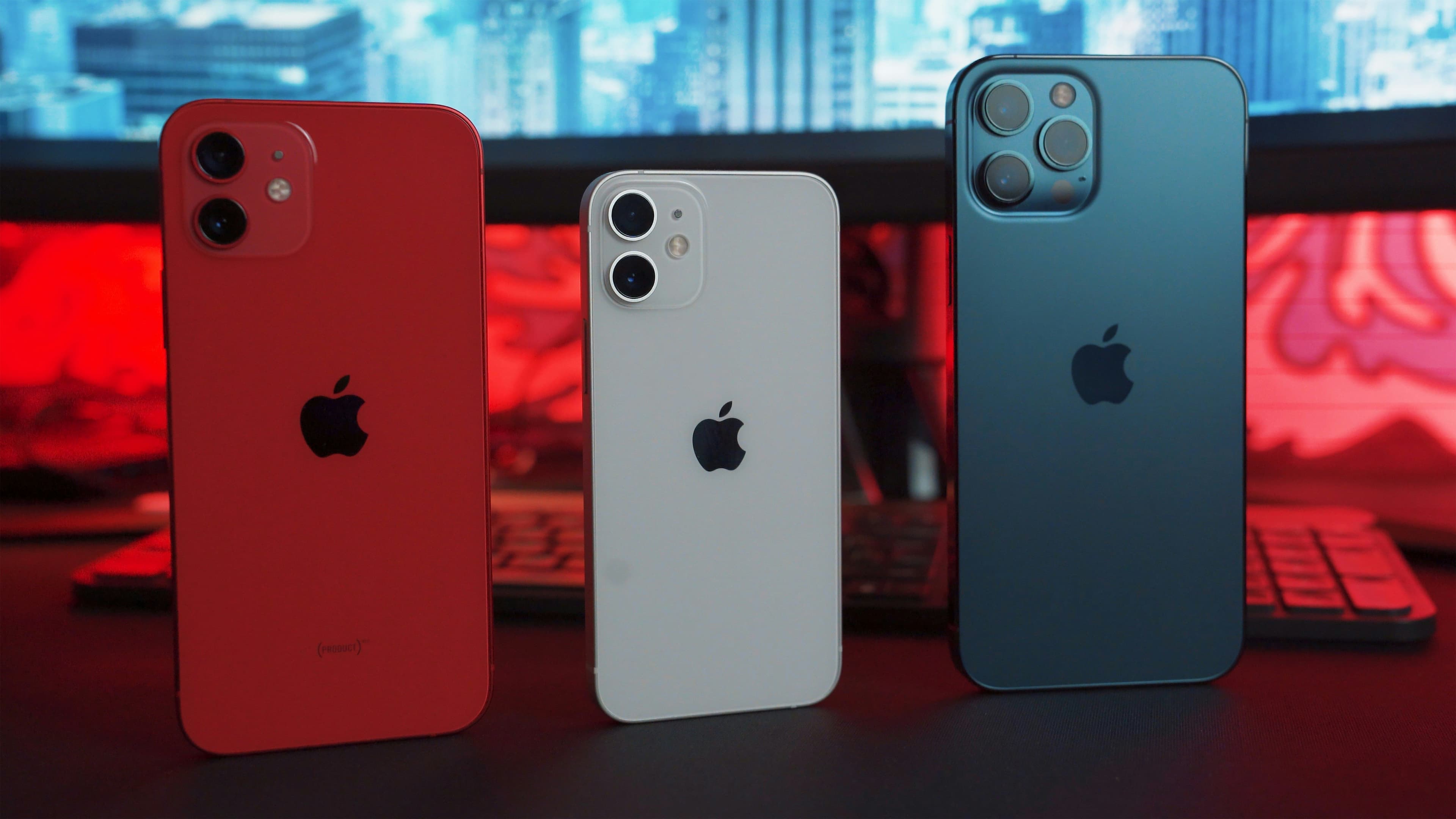
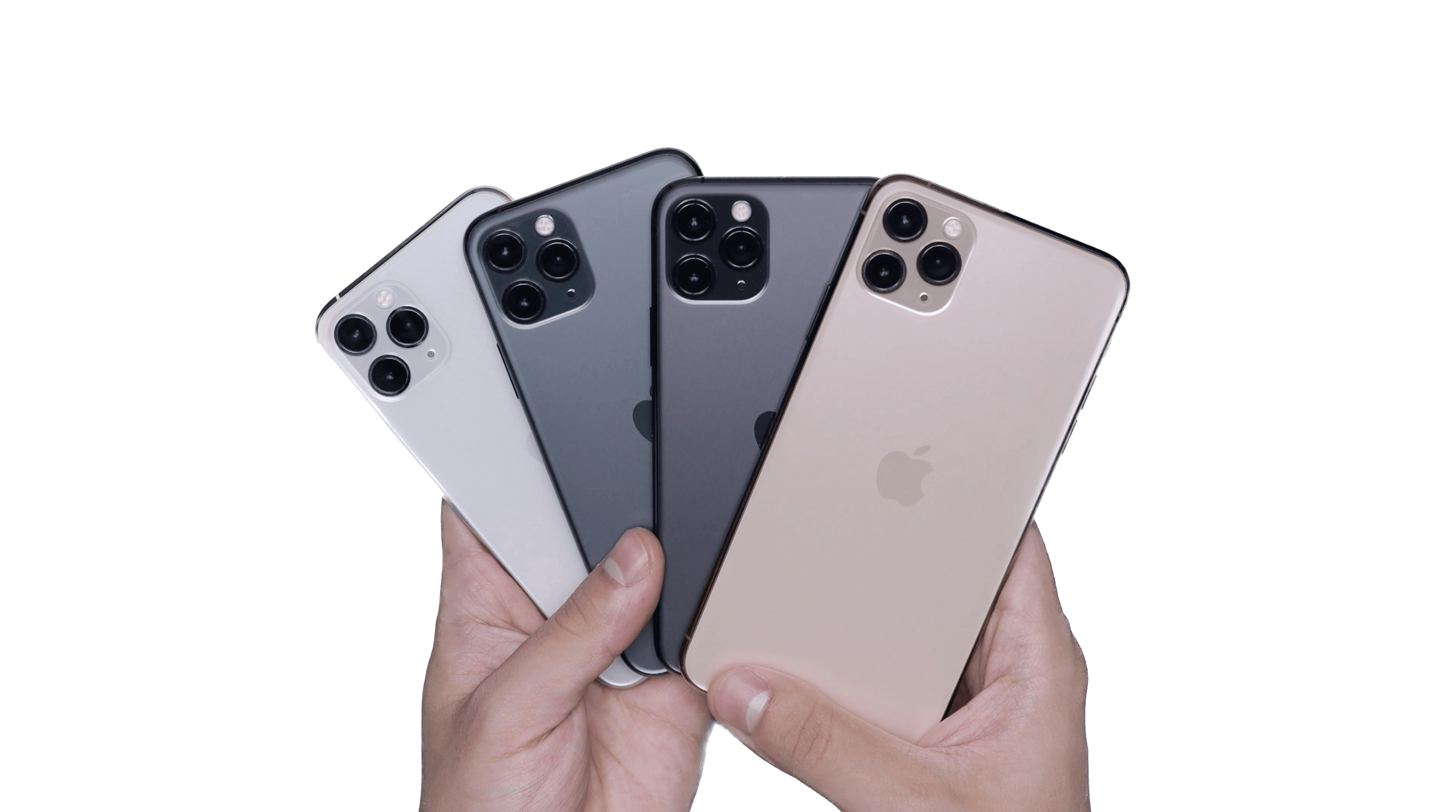
One of the defining characteristics of the iPhone is its premium design. Apple pays close attention to every detail, from the choice of materials to the precision of its engineering. Whether it's the aluminum frame of earlier models or the titanium construction found in recent Pro models, the iPhone is designed to be both elegant and durable.
The minimalist design philosophy has remained consistent throughout the years, making the iPhone instantly recognizable while continuously improving ergonomics and usability.
Exceptional Performance
Apple designs both the hardware and software for the iPhone, allowing them to work together seamlessly. This tight integration results in exceptional speed, efficiency, and reliability.
The custom-designed A-series processors consistently outperform many competing smartphone chips, enabling users to enjoy smooth multitasking, console-quality gaming, professional video editing, and advanced AI-powered features without compromising battery life.
Industry-Leading Camera Technology
The iPhone has become a favorite among photographers, content creators, filmmakers, and social media influencers. Apple's computational photography combines powerful hardware with intelligent software to produce stunning images in almost any lighting condition.
Key camera features include:
- Night Mode for low-light photography.
- Portrait Mode with realistic depth effects.
- Cinematic Mode for professional-looking videos.
- ProRAW and ProRes formats for advanced editing.
- Optical image stabilization for sharper photos and smoother videos.
These innovations have transformed the iPhone into a professional-grade camera that fits in your pocket.
Privacy and Security
In an era where personal data is increasingly valuable, Apple has made privacy one of its strongest selling points.
Features such as Face ID, end-to-end encryption for iMessage, App Tracking Transparency, on-device AI processing, and regular security updates help protect user information. Unlike many competitors, Apple places significant emphasis on giving users greater control over how their personal data is collected and shared.
The Apple Ecosystem Advantage
Perhaps the iPhone's greatest strength is how effortlessly it integrates with other Apple products.
Users can seamlessly switch between an iPhone, Mac, iPad, Apple Watch, and AirPods while sharing files through AirDrop, continuing work with Handoff, and synchronizing data through iCloud. This interconnected ecosystem creates a smooth and productive experience that encourages customer loyalty.
Software Updates That Last
Unlike many Android smartphones that receive only a few years of software support, Apple provides iPhone users with regular iOS updates for many years after purchase.
Long-term software support means users enjoy:
- New features.
- Enhanced security.
- Improved performance.
- Better compatibility with modern applications.
This extended lifespan also increases the resale value of iPhones compared to many competing devices.
Is the iPhone Worth the Price?
One of the biggest criticisms of the iPhone is its premium price tag. However, many users believe the investment is justified because of its longevity, build quality, performance, security, software support, and strong resale value.
When viewed over several years of use, the total cost of ownership often compares favorably with less expensive smartphones that require more frequent replacement.
Who Should Buy an iPhone?
An iPhone is an excellent choice for:
- Students who need a reliable smartphone for learning and productivity.
- Professionals who depend on performance and security.
- Content creators producing high-quality photos and videos.
- Business users working across multiple Apple devices.
- Everyday consumers seeking a dependable, user-friendly smartphone.
The Future of the iPhone
Apple continues to invest heavily in artificial intelligence, augmented reality, advanced silicon, satellite communication, and next-generation camera technologies. As AI becomes more deeply integrated into smartphones, the iPhone is expected to become an even more capable personal assistant that enhances productivity, creativity, and communication.
The future of the iPhone is not just about faster processors or better cameras—it's about creating smarter experiences that adapt to the needs of every user.
Final Thoughts
The iPhone has earned its reputation as one of the most successful consumer electronics products in history. Through continuous innovation, exceptional performance, industry-leading security, and a seamless ecosystem, Apple has created a smartphone that appeals to millions of users around the globe.
Whether you're upgrading your current device or purchasing your first smartphone, the iPhone remains one of the strongest options available. While no phone is perfect, its balance of hardware, software, and long-term value continues to set it apart in an increasingly competitive market.
As technology evolves, one thing remains clear: the iPhone isn't just a smartphone—it's a platform that continues to shape the future of mobile computing.